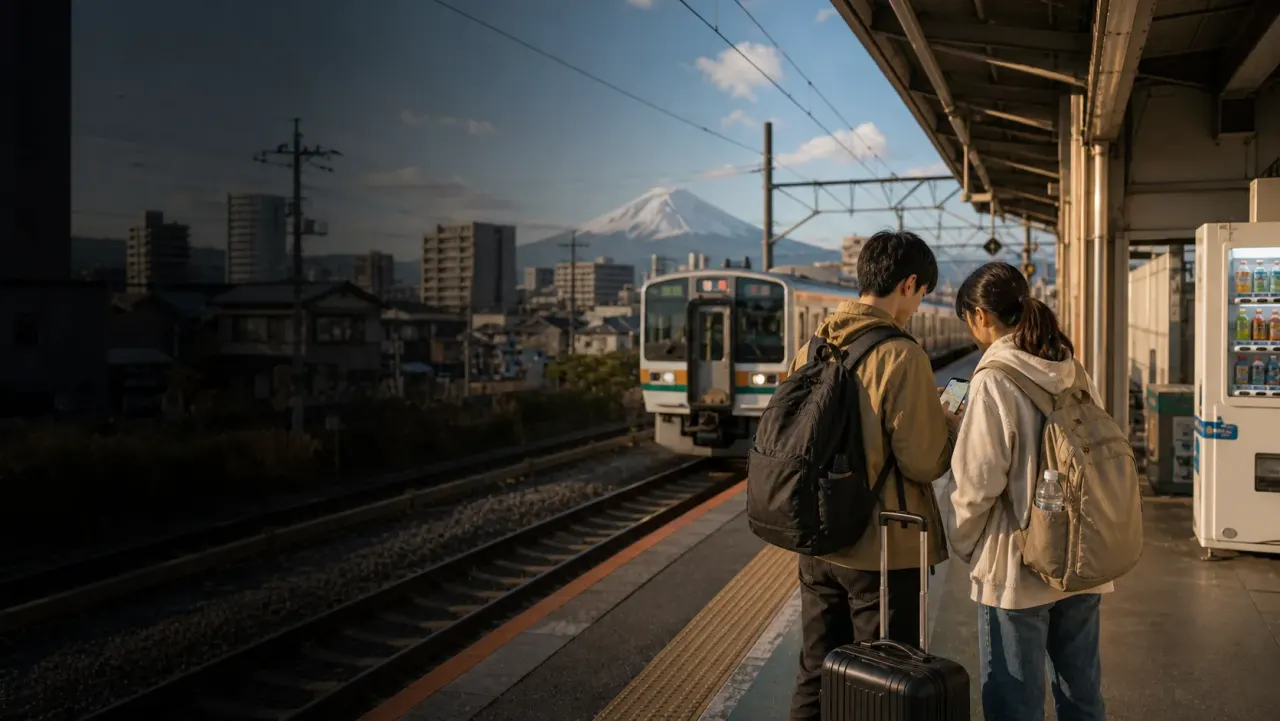
- Last reviewed
- June 4, 2026
- Best for
- First-time visitors who want the classic Japan route without overpacking each day
- Route shape
- Tokyo 3 nights, Kyoto 2 nights, Osaka 2 nights
- Budget pressure
- Hotel base, Shinkansen timing, Kyoto crowds, and airport transfer
- Use this to decide
- Whether 7 days is enough or whether you should drop one city
Seven days is enough for Tokyo, Kyoto, and Osaka only if you keep the route tight. The mistake is trying to make every city feel complete. This itinerary gives each city one clear job: Tokyo for the first big-city introduction, Kyoto for temples and old streets, and Osaka for food, airport access, and a relaxed final base.
Best 7-day route order
The easiest route is open-jaw if flights allow it: arrive in Tokyo and depart from Kansai Airport, or reverse the route. If you must fly round-trip Tokyo, keep the Osaka final night only if the return transfer still makes sense.
| Day | Base | Main plan | Budget rule |
|---|---|---|---|
| 1 | Tokyo | Arrive, settle near hotel, light Asakusa/Ueno or Shinjuku evening | Do not schedule paid activities after a long flight. |
| 2 | Tokyo | Asakusa/Ueno plus Tokyo Station, Ginza, or Akihabara | Group one side of the city. |
| 3 | Tokyo | Shibuya, Harajuku, Shinjuku | Choose one paid view or experience, not three. |
| 4 | Kyoto | Travel to Kyoto, Nishiki/Shijo evening, Gion walk | Book the transfer around hotel check-in and luggage. |
| 5 | Kyoto | Higashiyama early, then Fushimi Inari or Arashiyama | Start famous sights early and avoid bus-heavy hopping. |
| 6 | Osaka | Move to Osaka, Osaka Castle or Umeda, Dotonbori night | Use Osaka for food and a simpler final base. |
| 7 | Osaka/KIX | Shinsekai, Namba, or airport transfer | Keep the final day near your departure route. |
Give each city a job
A 7-day route works when every city has a purpose. If each city becomes a full checklist, the trip turns expensive and tiring.
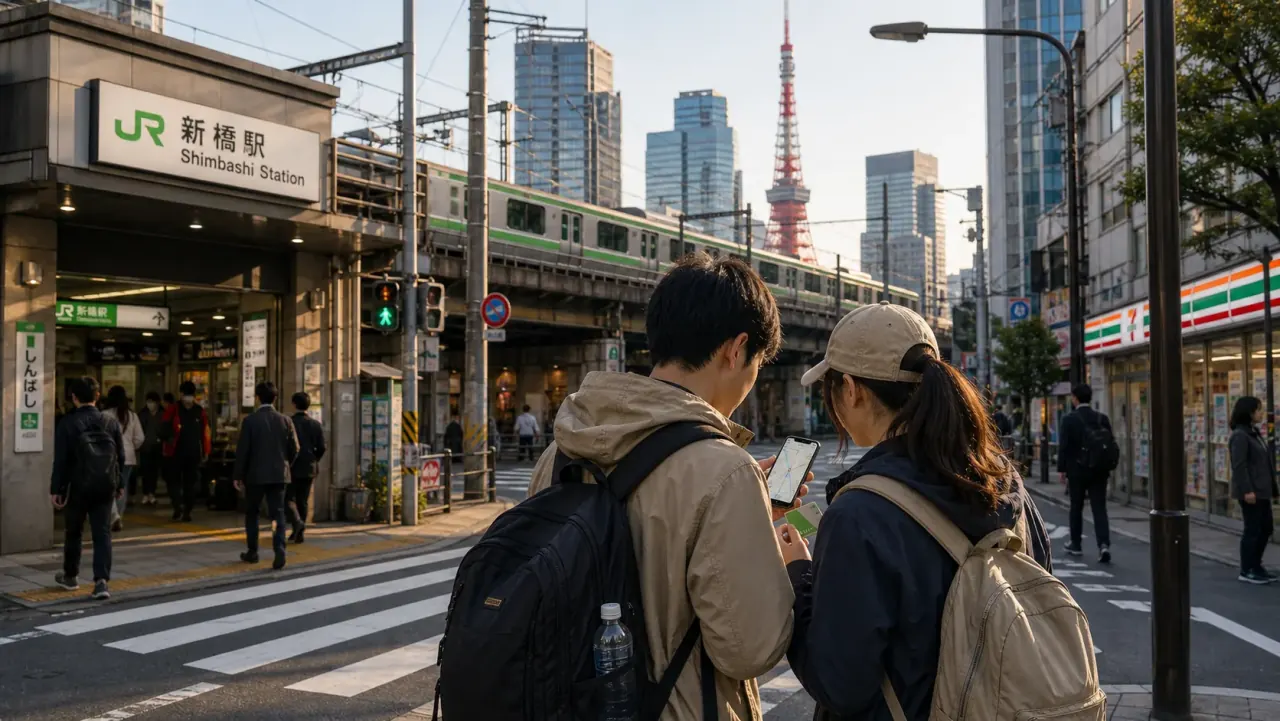 Days 1-3
Tokyo: first big-city base
Days 1-3
Tokyo: first big-city base
Use Tokyo for neighborhoods, cheap food, airport recovery, and one or two paid highlights.
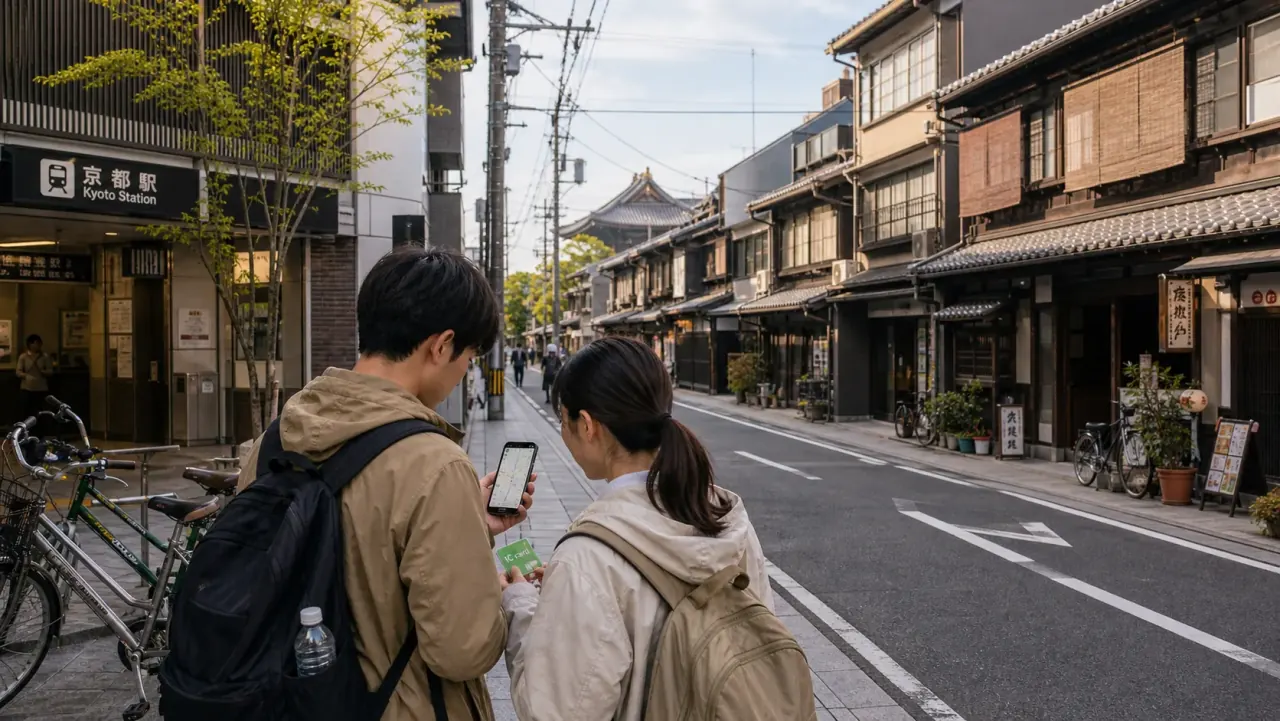 Days 4-5
Kyoto: temples and old streets
Days 4-5
Kyoto: temples and old streets
Use Kyoto for Higashiyama, Gion, Arashiyama, Fushimi Inari, and a slower walking day.
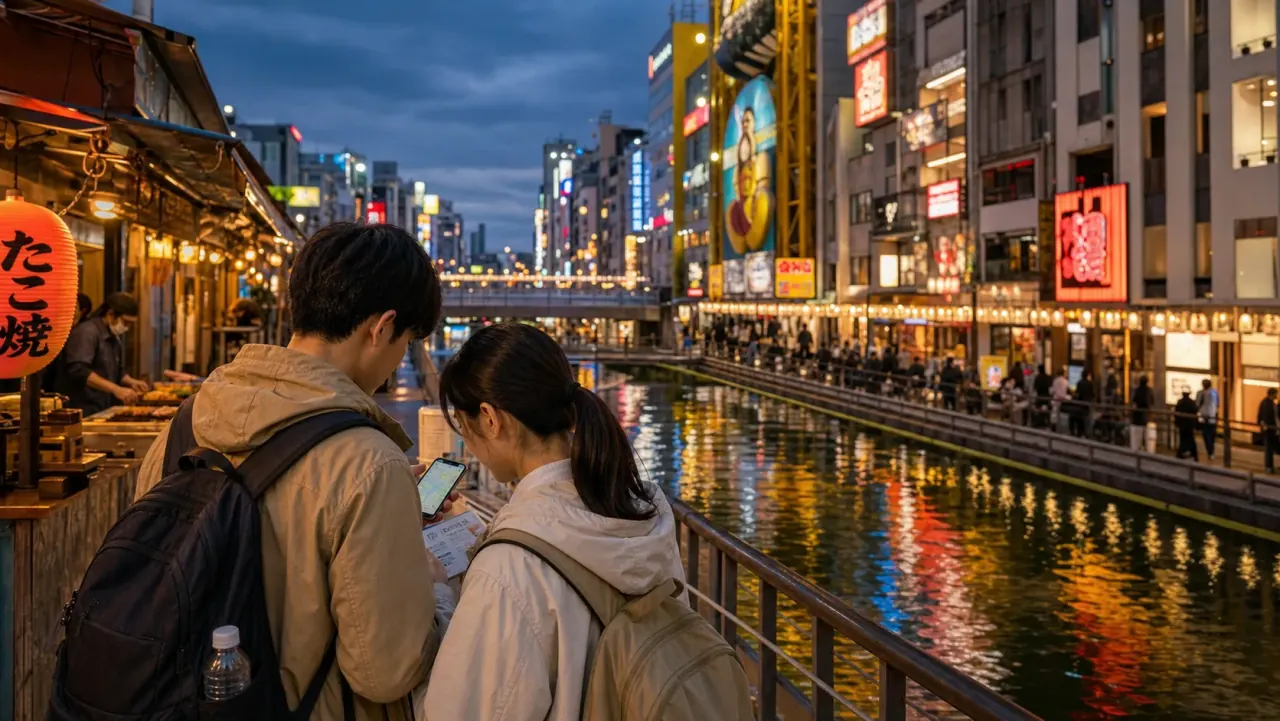 Days 6-7
Osaka: food and final base
Days 6-7
Osaka: food and final base
Use Osaka for casual meals, Namba or Umeda hotels, and Kansai Airport access.
Hotel bases that keep the route easy
In Tokyo, Ueno, Asakusa, Ikebukuro, or Shinjuku can work depending on airport and route. In Kyoto, Kyoto Station or Shijo-Kawaramachi are the safest first-trip choices. In Osaka, choose Namba for food and KIX access, or Umeda for rail links and a cleaner station base.
Use the Tokyo hotel area guide, Kyoto hotel area guide, and Osaka city guide before booking nonrefundable rooms.
Transport and JR Pass math
For this simple route, a nationwide JR Pass is often not the cheapest answer after the post-2023 price increase. Compare individual Shinkansen tickets, local IC card rides, and open-jaw flights before buying any pass.
- Tokyo to Kyoto is the key long-distance leg.
- Kyoto to Osaka is short and usually does not justify a large pass by itself.
- If you add Hiroshima, Himeji, or multiple long-distance legs, run the math again.
- For Kansai Airport departures, use the KIX transfer guide before choosing the final hotel.
Budget range for this route
Before flights, a careful budget traveler can often plan around the lower end of the site calculator range, while comfort travelers should allow more room for hotels, paid sights, and luggage convenience. The biggest swing is usually hotel season, not food.
| Traveler style | Daily target before flights | What changes the total |
|---|---|---|
| Budget | $65-95 per traveler | Hostels/simple hotels, casual food, few paid attractions. |
| Comfort | $95-140 per traveler | Better hotel bases, more paid sights, luggage delivery or easier transfers. |
| Mid-range | $140+ per traveler | Central hotels, reserved seats, tours, nicer meals, and more flexible transport. |
What to skip on a 7-day first trip
A Fuji day trip is possible, but it competes with Tokyo time and weather risk. Add it only if you are willing to drop another Tokyo day.
Nara is worthwhile, but it can turn two Kyoto nights into a checklist race.
Three city bases are already enough. Extra hotel moves cost time and energy.
Passes are tools, not souvenirs. Match them to the actual train legs.
Sources and current checks
Verify train prices, pass rules, and airport routes before booking. Start with the official Japan Rail Pass site, JNTO's IC card guide, Go Tokyo, Kyoto Travel, and OSAKA-INFO.
Use the calculator before locking hotels and long-distance transport.
Open Budget CalculatorThe classic 7-day route works best when you treat it as a first taste. Save extra day trips for a longer visit.