- Best classic first trip
- Nara for temples, park walking, and a different pace from Kyoto and Osaka
- Best short Kyoto side trip
- Uji for Byodoin, matcha, river scenery, and a calmer half-day
- Best city change of pace
- Kobe for harbor views, Kitano, Motomachi, and an easy Osaka-side trip
- Best castle day
- Himeji for a focused castle and garden route, with more transport planning
- Budget rule
- Choose the trip that fits your hotel base before comparing tiny fare differences
Kyoto and Osaka make good bases for day trips, but the best choice depends on what your main route is missing. Nara gives you the classic cultural day, Uji gives you a shorter Kyoto-side reset, Kobe gives you a coastal city feel, and Himeji gives you the strongest castle day.
Day trip comparison
| Trip | Best from | Best for | Main budget pressure |
|---|---|---|---|
| Nara | Kyoto or Osaka | Classic temples, park walking, Todai-ji | Train choice, paid temple entry, food |
| Uji | Kyoto | Byodoin, matcha, river walk, half-day pacing | Tea snacks and optional paid temple details |
| Kobe | Osaka | Harbor views, Kitano, Motomachi, city variety | Dining choices and whether you add paid viewpoints |
| Himeji | Osaka or Shin-Osaka | Himeji Castle, Kokoen Garden, castle-focused day | Regular JR vs Shinkansen |
Best day trips from Kyoto
From Kyoto, start with Nara if you want the strongest classic side trip. It adds a different kind of temple and park day without requiring a hotel move. Uji is the better choice when you want a lighter day, especially after crowded Higashiyama, Arashiyama, or bus-heavy Kyoto sightseeing.
Kobe and Himeji also work from Kyoto, but they are longer day trips. Use them when the attraction is the point, not as filler after a tiring Kyoto itinerary.
Best day trips from Osaka
From Osaka, Nara remains the classic first pick. Kobe is the easiest city change of pace because it feels different without demanding a complicated day. Himeji is excellent if you want a real castle day, but it needs more transport thought. Uji works from Osaka, but it is usually better when your route already connects through Kyoto or Keihan.
Which one should you choose?
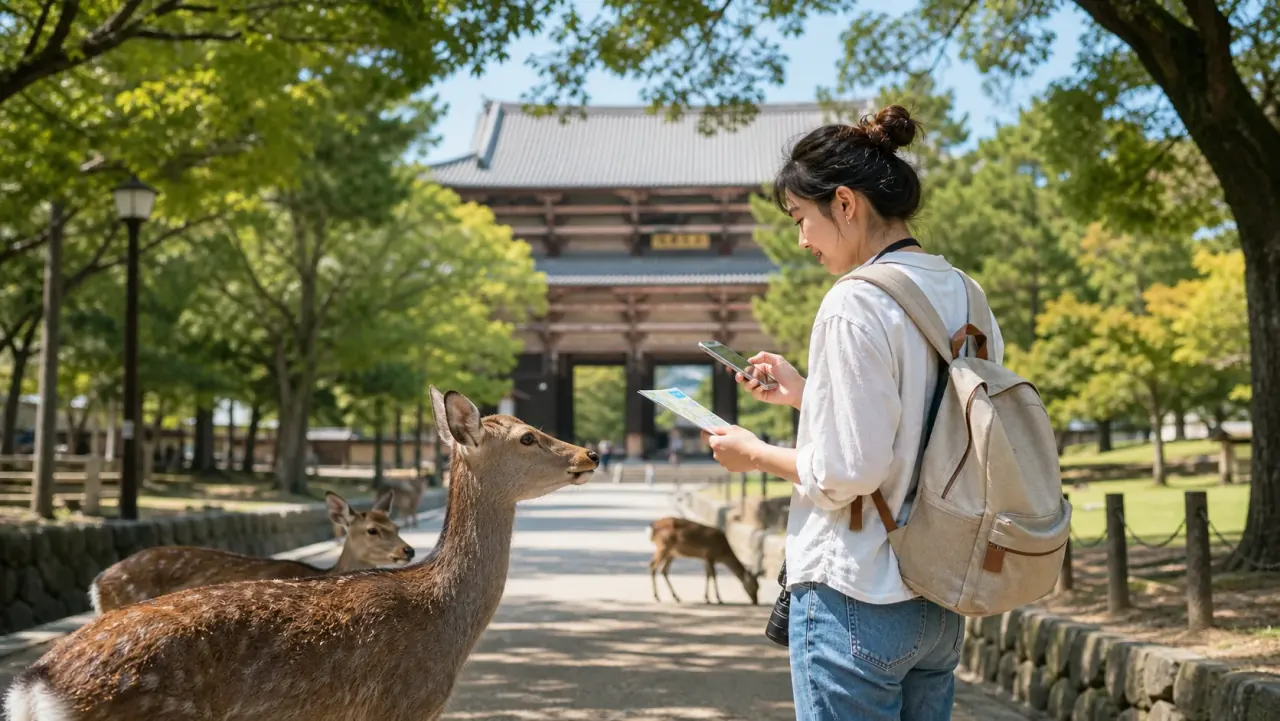 Classic first pick
Nara from Osaka or Kyoto
Classic first pick
Nara from Osaka or Kyoto
Choose this when you want Todai-ji, Nara Park, and a full cultural day.
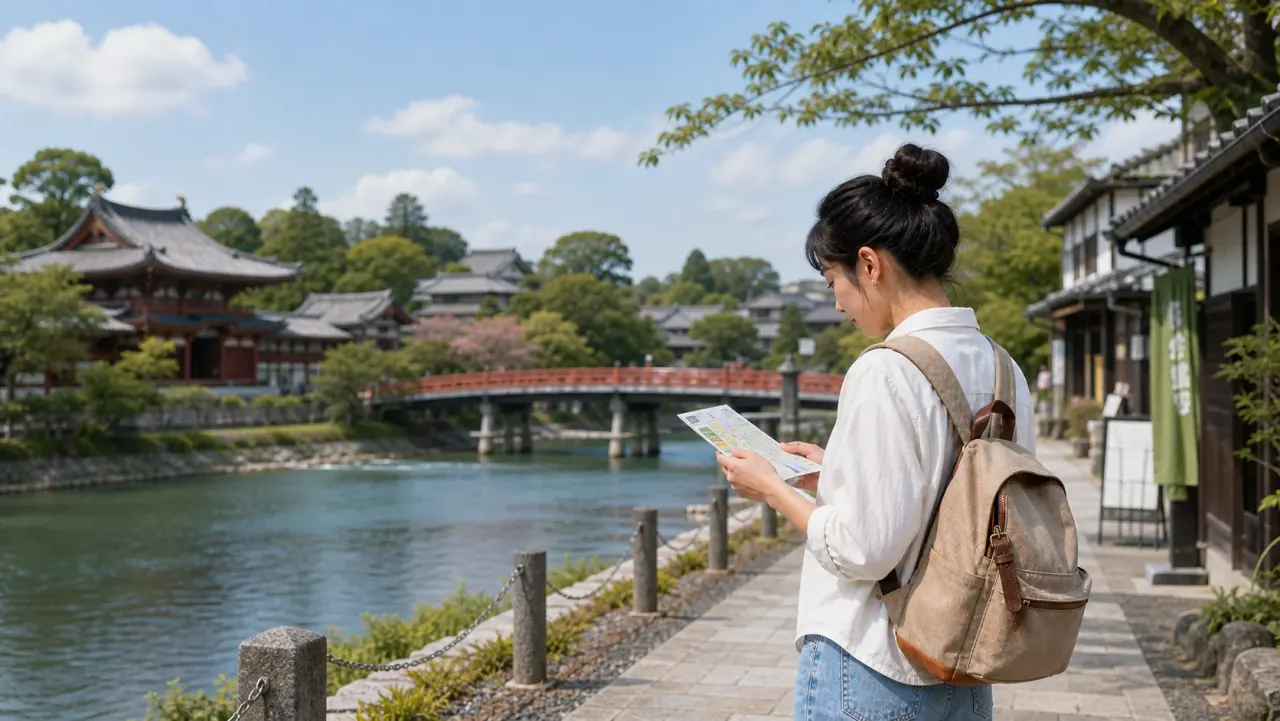 Short Kyoto side trip
Uji from Kyoto or Osaka
Short Kyoto side trip
Uji from Kyoto or Osaka
Choose this when you want Byodoin, matcha, and a calmer half-day.
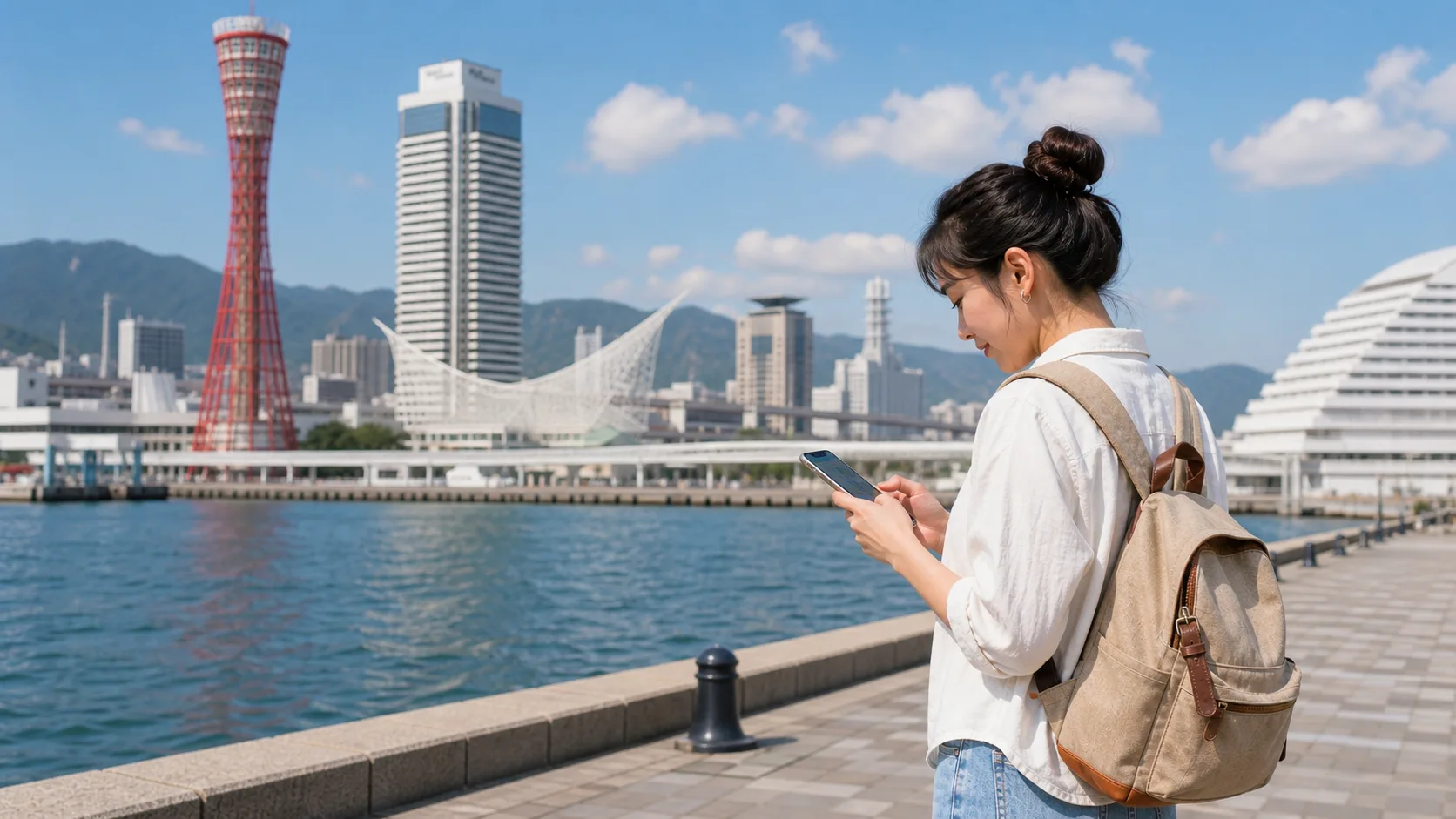 City and harbor
Kobe from Osaka or Kyoto
City and harbor
Kobe from Osaka or Kyoto
Choose this when you want harbor views, Kitano, and a less temple-heavy day.
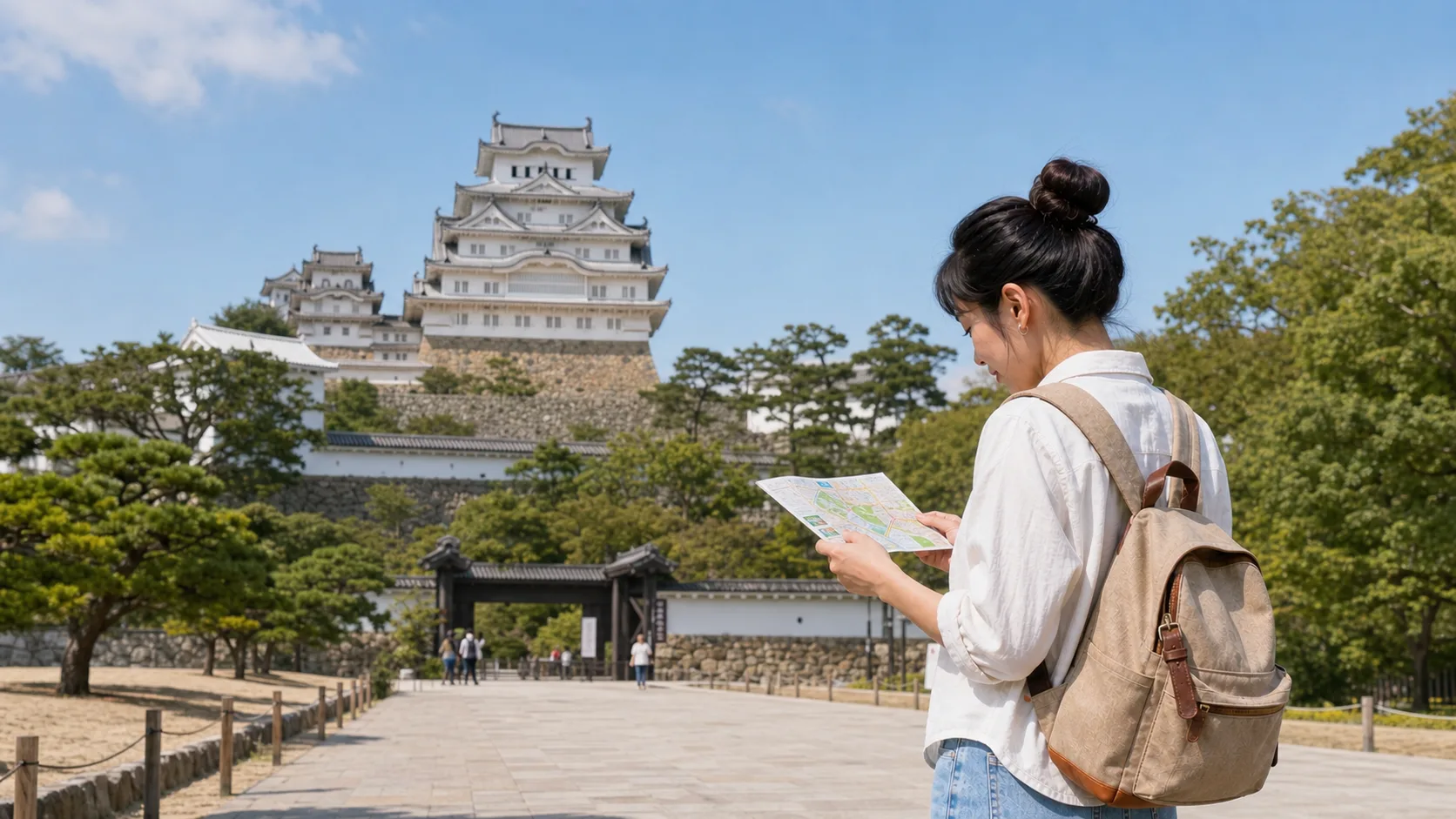 Castle day
Himeji Castle from Osaka or Kyoto
Castle day
Himeji Castle from Osaka or Kyoto
Choose this when a major castle and garden are worth the train time.
Best order across a trip
If you only have one Kansai day trip, pick Nara. If you have two, pair Nara with Uji for a Kyoto-heavy trip or Kobe for an Osaka-heavy trip. If you care about castles, Himeji can replace Kobe or Uji rather than being stacked on top of everything.
For a 7-day Tokyo-Kyoto-Osaka route, avoid adding every day trip. The best budget trip is not the one with the longest checklist; it is the one where each train ride has a clear reason.
Budget and transport rules
Do not choose a day trip from a generic ranking. Choose it from your hotel base. A route that is cheap from Kyoto Station may be annoying from Gion; a route that is easy from Osaka Umeda may be less clean from Namba. Station fit matters as much as headline travel time.
Use regular JR, Kintetsu, Keihan, Hankyu, Hanshin, or Shinkansen based on the exact route. Himeji is the one where Shinkansen cost can materially change the day. For Nara, Uji, and Kobe, the best choice is usually the railway that reduces transfers.
FAQ
Should I choose Nara or Uji?
Choose Nara for a fuller classic day with Todai-ji and Nara Park. Choose Uji for a shorter Kyoto-side trip with Byodoin, matcha, and river scenery.
Should I choose Kobe or Himeji?
Choose Kobe for a city, harbor, and food change of pace. Choose Himeji if a major castle is the main goal and you accept more train planning.
How many Kansai day trips should I add?
For a first 7-day trip, one or two is enough. More than that usually steals time from Kyoto and Osaka themselves.
Before booking, compare your actual station, route time, and whether the day fills a real gap in the itinerary.
Use the 7-Day Route